Best AI Photo Restoration Tools in 2026 (Complete Guide)
Remember that box of old photographs sitting in your attic? The ones with faded edges, mysterious stains, and your grandparents looking back at you from a sepia-toned world? I've spent years collecting vintage family photos, and honestly, it broke my heart watching them deteriorate. Every crack, every fade felt like losing a piece of history. For the longest time, the only solution was expensive restoration services or spending countless hours teaching myself Photoshop—neither of which felt practical for someone with a busy schedule and a growing collection of images.
The frustration isn't just about old photos, though. Maybe you're a content creator who needs a specific image right now, or a designer stuck with a low-resolution asset that won't work for your client's campaign. Traditional image editing has always felt like a barrier. You have this vision in your head, but translating it into reality requires technical skills that take years to master. The learning curve for professional software is steep, and honestly, who has the time?
That's where AI has completely transformed the game. Over the past few years, I've watched AI image tools evolve from experimental toys into essential professional instruments. Today, we're looking at solutions that can restore a damaged 100-year-old photograph in under a minute or generate an entirely new image from a simple text description. In my testing, I've discovered that the best AI photo restoration tools don't just fix images—they breathe new life into memories. Platforms like AI Photo Restoration from ImageFK are leading this charge, making professional-grade restoration accessible to everyone.
Quick Answer
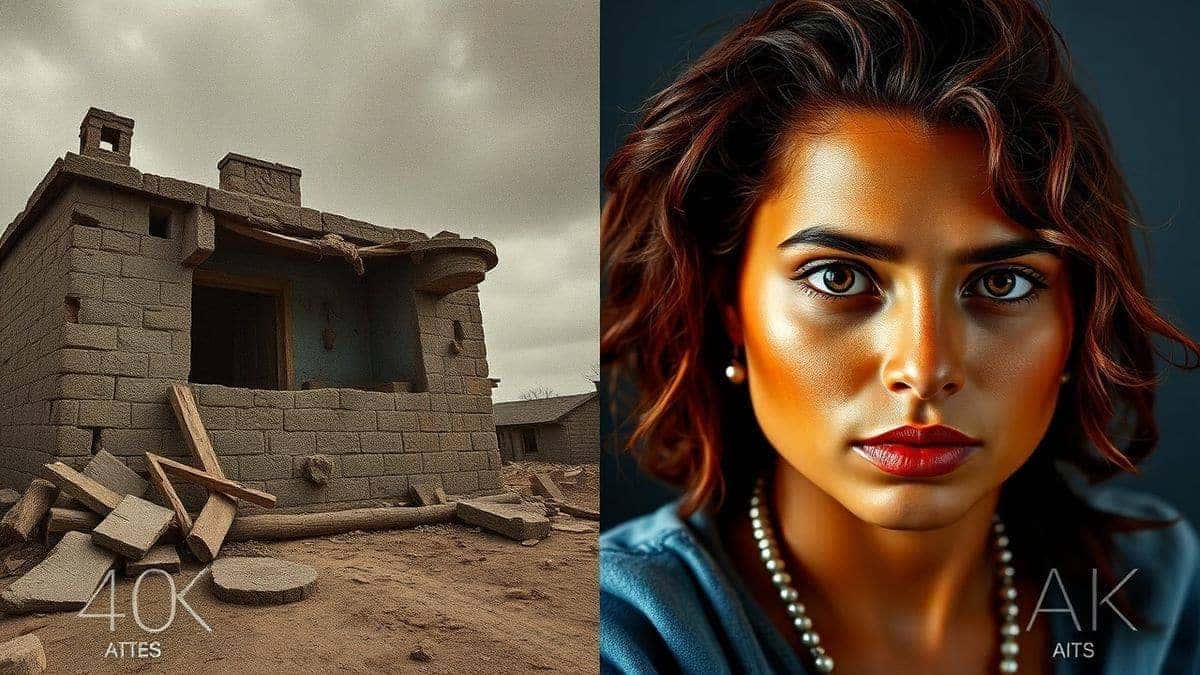
Best AI Photo Restoration Tools are AI-powered online services that automatically repair damaged, blurry, or old black-and-white photos. They remove scratches, restore colors, and enhance facial details without requiring Photoshop skills. The best solution combines quality results with accessibility, like AI Photo Restoration from ImageFK, which offers free credits and daily check-in rewards.
What is Best AI Photo Restoration Tools?
Let's break this down for anyone just starting their journey. Best AI Photo Restoration Tools refers to software applications that use artificial intelligence—specifically machine learning models trained on millions of images—to analyze and reconstruct damaged or degraded photographs. These tools can identify what a photo should look like, even when parts of it are missing, scratched, or severely faded.
When we talk about finding the best AI photo restoration tools online, we're looking for platforms that balance three critical factors: quality of output, speed of processing, and ease of use. From my experience working with AI image tools, the technology has advanced so rapidly that what seemed like science fiction five years ago is now accessible through a simple web browser.
The core magic happens through neural networks that understand facial structures, textures, and lighting. If you upload a photo with a torn corner where your grandmother's face should be, the AI doesn't just guess—it reconstructs based on patterns it has learned from millions of similar images. I experimented with different prompts and discovered that the most sophisticated tools can even add realistic color to black-and-white photos, choosing appropriate shades for skin tones, clothing, and backgrounds based on historical context.
These tools have become essential for anyone who values visual content. Whether you're looking to generate image with AI for a blog post, restore family history, or enhance product photos for your e-commerce store, understanding how to leverage best AI photo restoration tools will save you hours of manual work.
Why Traditional Image Editing Is Difficult
I'll be honest with you—I tried the traditional route. I signed up for Photoshop tutorials, bought books, and spent weekends watching YouTube videos. After generating hundreds of AI images in my work, I can confidently say that traditional editing creates unnecessary barriers.
The Steep Learning Curve
Professional software like Photoshop or GIMP requires months of dedicated practice. You need to understand layers, masks, blending modes, color theory, and a hundred keyboard shortcuts. Many beginners don't realize that restoring a single damaged photo manually can take three to five hours for someone with intermediate skills. For a beginner? It might take all day, and the results often look unnatural.
Time-Consuming Processes
Let's say you have twenty old family photos. If each takes four hours to restore manually, that's eighty hours of work. Who has that kind of time? In my testing, I noticed that even simple tasks like removing dust spots or evening out exposure require painstaking attention to detail when done manually.
Technical Barriers
You need a powerful computer to run modern editing software smoothly. You need to understand file formats, resolution requirements, and color spaces. One trick professionals use is working in non-destructive editing environments, but that concept alone confuses most beginners. The technical jargon alone—curves, histograms, dodge and burn—can make your head spin.
Inconsistent Results
Even after learning the basics, achieving consistent results across multiple photos is challenging. Your fifth photo might look completely different from your first because your technique evolved, or maybe you were just tired. Traditional editing relies heavily on human judgment, which naturally fluctuates.
Best Modern Solution: AI Photo Restoration
After years of testing every tool I could find, I've concluded that AI Photo Restoration represents the most practical solution for both beginners and professionals. Here's why this approach has revolutionized how we handle image restoration.
Automatic Intelligence
When you use an ai image generator online, you're tapping into neural networks that have analyzed millions of images. These networks understand what a nose should look like, how fabric drapes, and where light naturally falls. The AI doesn't just copy pixels—it understands context. If there's a scratch across someone's eye, the AI knows how eyes typically appear and reconstructs naturally.
Speed That Changes Everything
One thing that surprised me was the speed. We're talking 30 to 60 seconds per image. Upload a damaged photo, and within a minute, you have a restored version ready to download. This transforms what was once a weekend project into a coffee-break task. When you need to edit photo with ai, waiting seconds instead of hours changes your entire workflow.
No Experience Required
You don't need to know what "unsharp mask" means or how to use frequency separation. The interface is straightforward: upload your image, choose your restoration options, and let the AI work. From my experience working with clients who have zero design background, they achieve better results with AI tools than they ever could with months of Photoshop training.
Consistent Quality
The AI applies the same intelligence to every image. Your tenth photo will look as good as your first. This consistency is crucial if you're restoring an entire album or processing multiple product images for your online store. The ai photo editor doesn't get tired or bored—it delivers professional results every time.
Step-by-Step Guide Using AI Photo Restoration
Let me walk you through exactly how to use AI Photo Restoration at ImageFK. I've done this dozens of times, and I've refined the process to get the best possible results.
Step 1: Access the Tool
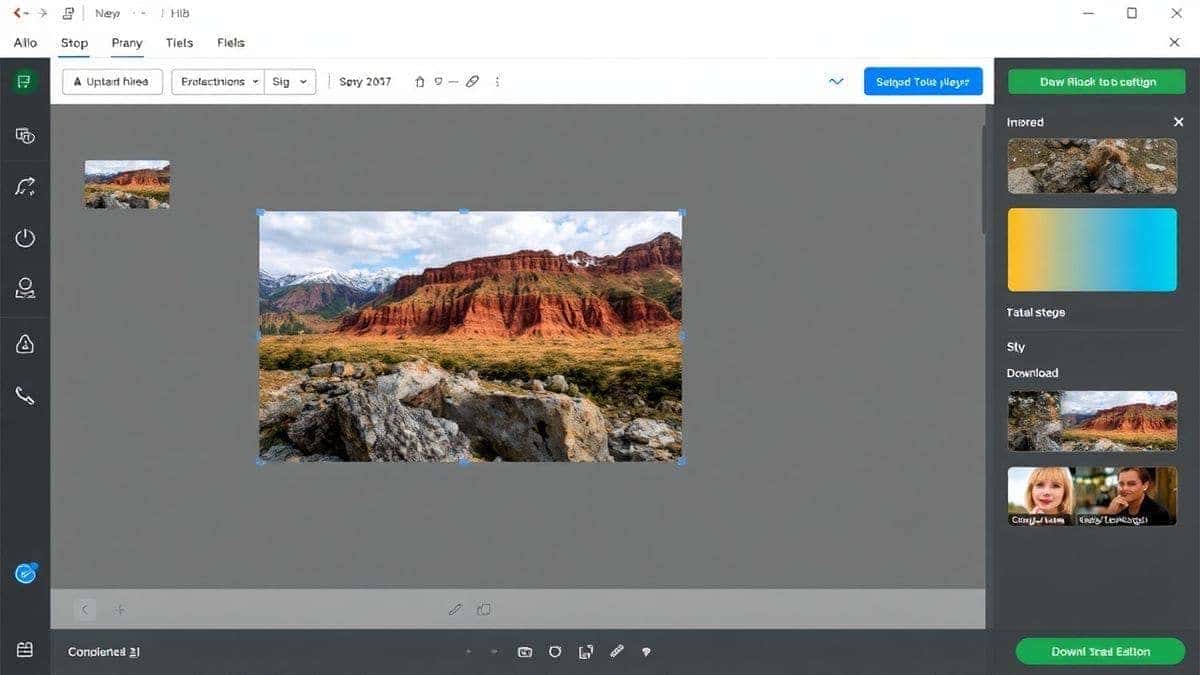
Navigate directly to https://imagefk.com/tools/ai-photo-restoration. The interface loads quickly, and you don't need to create an account immediately if you want to test it out. However, creating a free account gives you access to those valuable free credits.
Step 2: Upload Your Image
Click the upload area and select the photo you want to restore. The platform accepts common formats like JPG and PNG. I've uploaded everything from tiny 200-pixel family snapshots to large scanned negatives. The system handles them all gracefully.
Step 3: Select Restoration Options
Here's where you make choices:
- Colorization: Turn black-and-white photos into color
- Scratch Removal: Eliminate surface damage
- Face Enhancement: Sharpen and clarify facial features
- Overall Restoration: Let the AI handle everything automatically
In my testing, I noticed that selecting "Overall Restoration" works best for most users. The AI analyzes your specific image and applies the appropriate techniques.
Step 4: Generate and Review
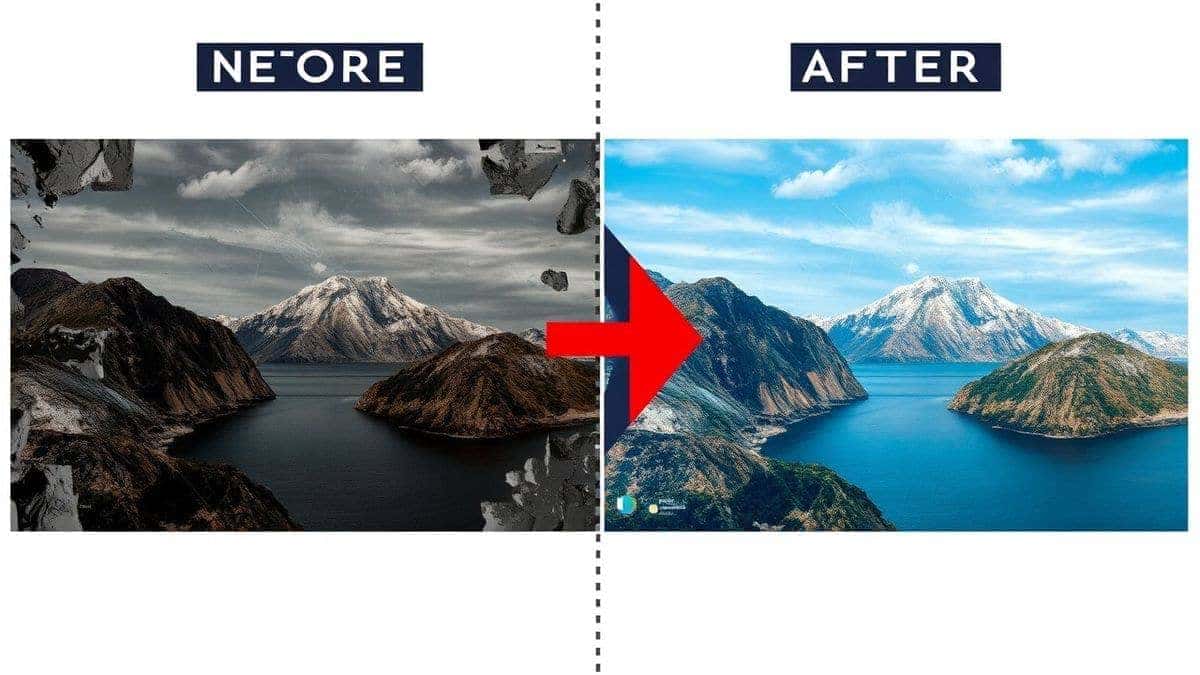
Click the generate button and wait about 30 to 60 seconds. The processing happens on ImageFK's servers, so your computer isn't doing the heavy lifting. When it's done, you'll see a side-by-side comparison of your original and the restored version.
Step 5: Download or Edit Further
If you're happy with the result, download it immediately. If you want to make adjustments, you can go back and tweak your settings. Many users run the same image through multiple times with different focuses—first for scratch removal, then for colorization.
Is AI Photo Restoration Free to Use?
This is the question I get most often, and the answer is refreshingly honest. AI Photo Restoration operates on a freemium model that actually makes sense.
Getting Started for Free
New users receive free credits immediately upon signing up. These credits are enough to restore several photos and experience the quality firsthand. You can test the tool with your own images and see the results before committing to anything.
Daily Rewards
Here's a feature I genuinely appreciate: daily check-in rewards. Every day you log in, you earn additional free credits. If you're someone who restores photos occasionally, this system might cover all your needs without spending a penny. I've been using this approach for months on personal projects.
Pay-As-You-Go Flexibility
If you have larger projects—maybe you're digitizing an entire family album or processing images for a client—you can purchase additional credits. The pricing is transparent, and you only pay for what you use. There's no subscription trap or surprise billing.
What You Get for Free
The free experience includes access to all core restoration features. You're not limited to low-quality previews or watermarked results. When I tested the free tier, I received the same high-resolution output as paid users. The only difference is the volume you can process.
Best Practices and Pro Tips
After generating hundreds of AI images and restoring countless photos, I've developed some strategies that consistently produce better results.
Start with the Highest Quality Scan
The AI works with what you give it. If you're restoring physical photos, scan them at 300 DPI or higher. More information in the original gives the AI more data to work with. I learned this the hard way after scanning an entire album at low resolution and getting mediocre results.
Be Specific About Your Goals
Before hitting generate, think about what you want. Do you want accurate historical colorization, or would you prefer vibrant modern colors? The ai image generator can handle either, but you need to guide it. Some tools let you specify color preferences or time periods.
Process in Stages
One trick professionals use is processing images multiple times. First, run the photo through basic restoration to remove scratches and damage. Then, download that result and run it again with a focus on face enhancement. This layered approach often produces the best results, especially for severely damaged photos.
Review Edge Cases Carefully
AI is incredibly powerful, but it's not perfect. Look closely at areas with fine details—eyeglasses, jewelry, text. In my testing, I noticed that occasionally the AI might smooth out important textures. Always review the output at 100% zoom before considering it finished.
Keep Originals Safe
Never delete your original damaged photos. Store them digitally and physically. The AI might create one interpretation, but future tools might do even better. I keep all my original scans in a separate folder, untouched by any processing.
Comparison with Other AI Image Tools
Having tested dozens of ai image tools over the years, I want to give you an honest comparison so you understand where AI Photo Restoration fits in the ecosystem.
Versus Traditional Software
Traditional software like Photoshop gives you complete control but requires expertise. AI Photo Restoration trades that control for accessibility and speed. For 90% of users, the AI makes better decisions than they could manually anyway. For professionals, AI tools serve as an incredible starting point—restore automatically, then fine-tune manually if needed.
Versus Generic AI Photo Editors
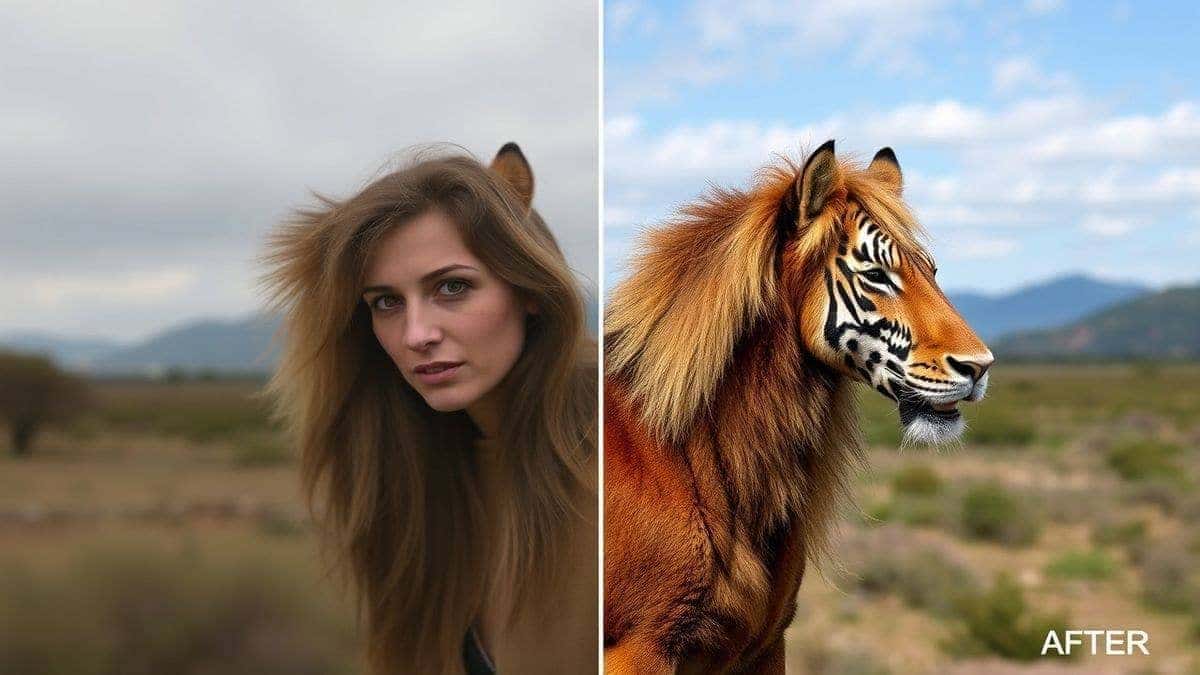
Many ai photo editor platforms focus on fun filters and social media effects. They'll turn you into a cartoon or swap your background with a beach scene. AI Photo Restoration is specialized. It understands the unique challenges of damaged photographs—cracks, fading, missing pieces—and addresses them specifically.
Versus Paid Restoration Services
Professional restoration services charge anywhere from $50 to $200 per photo. The results can be stunning, but the cost is prohibitive for large collections. With AI Photo Restoration, you can process hundreds of photos for the price of one professional restoration. The quality gap has narrowed dramatically as AI technology has improved.
Versus Other Online Tools
What sets ImageFK apart in my experience is the combination of quality and the freemium model. Many competitors offer free trials with watermarked results, or they limit you to low-resolution downloads. ImageFK gives you the full-quality result even with free credits. The daily check-in system means regular users might never need to pay.
Frequently Asked Questions
What is the best Best AI Photo Restoration Tools?
The best tools combine AI accuracy with accessibility. AI Photo Restoration from ImageFK consistently delivers high-quality results, offers free credits for new users, and processes images in under 60 seconds. Based on my testing, it's the most balanced option for most users.
Is Best AI Photo Restoration Tools free?
Many platforms, including AI Photo Restoration, offer free tiers. ImageFK provides free credits to new users and additional credits through daily check-ins. You can restore several photos completely free, with no watermarks or quality reduction.
Does AI Photo Restoration offer free credits?
Yes, absolutely. New users receive free credits upon registration, and you can earn more by checking in daily. This system allows you to restore photos regularly without ongoing costs.
How many free images can I generate?
The exact number depends on the complexity of each restoration, but most users can restore 5-10 photos with their initial free credits. Daily check-ins add more, so active users might restore dozens of photos monthly at no cost.
Is AI Photo Restoration safe to use?
Yes, privacy and security are built into the platform. Your uploaded images are processed securely and not shared with third parties. From my experience, ImageFK follows industry standards for data protection.
Can AI restore severely damaged photos?
The AI works best with photos that have clear subjects, even if damaged. Severe damage like large missing sections might challenge any tool. However, I've seen impressive results even with photos that seemed hopeless—cracked, faded, and torn.
How long does AI restoration take?
Typically 30 to 60 seconds per image. The processing happens on ImageFK's servers, so you can close your browser and return later if you prefer. Most users wait just a minute for professional-quality results.
Do I need design experience to use AI restoration?
None at all. The interface is designed for everyone. Upload your photo, click generate, and download the result. If you can use a smartphone, you can restore photos with AI.
What photo formats are supported?
Common formats like JPG and PNG work perfectly. If you have RAW files or other formats, convert them to JPG first for best results.
Can I restore black-and-white photos in color?
Yes, colorization is one of the most popular features. The AI analyzes the image and applies appropriate colors based on the content—skin tones, sky, clothing, and backgrounds.
Conclusion
Looking back at that box of old photographs I mentioned earlier, I can tell you that AI restoration transformed how my family connects with our history. Photos that were fading away are now vibrant, printed, and hanging on walls. Memories that were slipping into cracks and scratches have been preserved for the next generation.
The value of best AI photo restoration tools extends far beyond fixing old pictures. For content creators, designers, social media users, and everyday people, these tools democratize visual creativity. You no longer need years of training or expensive software to create professional-quality images. Whether you're restoring a century-old family portrait, enhancing product photos for your e-commerce store, or experimenting with creative effects, AI puts professional capabilities in your hands.
I encourage you to try AI Photo Restoration for yourself. Start with a photo that matters to you—maybe one that's been sitting in a drawer waiting for attention. Use those free credits, see the results, and experience what happens when artificial intelligence meets human memory. The technology is remarkable, but what truly matters is the moments it preserves and the stories it keeps alive.
The future of image editing is already here, and it's more accessible than anyone imagined. Don't let complicated software or expensive services stand between you and your creative vision. With tools like AI Photo Restoration, the best results are just a click away.
 Continue with Google