When to use this page
Keep the prompt specific and retain the original image until the result has been checked.
Preview the requested appearance change with AI 2D to 3D Image Converter using a clear portrait. Compare facial features, hair or clothing edges, lighting, and proportions before keeping the edited result.
 Original
  Modified
 Keep the prompt specific and retain the original image until the result has been checked.
Check faces, text, product details, edges, and any rights-sensitive content. The generated result is a draft until you approve it.
The name invites an assumption worth correcting before you upload. The instruction asks for this 2D image to be rendered as a highly realistic 3D-style picture, with rich vibrant colours, diverse detailed textures, and realistic warm natural lighting that creates soft shadows and highlights to build depth. It does not produce a model you can rotate, a depth map, or a stereoscopic pair. What you get is a single image with volume painted into it.
Everything that makes a flat picture read as three-dimensional is light: a soft shadow under the jaw, a highlight running along a shoulder, falloff behind the nearest object. The instruction supplies all of it and asks for it warm and natural. What it cannot know is where your original light came from, so a photo taken under a cold north window can return with warm studio light and shadows running the opposite way. The optional box, whose hint asks for subject, style, composition and details, is where you fix that: “single light from the upper left, cool shadows, keep the existing direction”.
One clear subject, defined edges, and light already visible in the frame give the render something consistent to exaggerate. Busy scenes and low-contrast photos leave it constructing structure from nothing, which is where results go strange. Line art and flat illustration behave differently from photographs on this page: the instruction turns a drawn surface into a simulated physical one, an eye-catching effect and a substantial reinterpretation of the original artwork at the same time.
about 2D to 3D image conversion
No. The request is for a realistic 3D rendering of the image you supplied, meaning a picture with depth, texture and lighting, not geometry you can open in modelling software. If you need an object file, this page is the wrong tool.
Relighting a face is a re-interpretation, so compare facial features, hair and clothing edges, lighting, and proportions with the original before keeping the result. The jaw line and the eyes are where a shift shows first, and asking the box to respect the light direction already in your photo often reduces it.
Rich, vibrant colour is written into the instruction, so a muted or overcast photo will come back more saturated. A note in the optional box asking for the original palette to be preserved is the closest control available here, and it is worth viewing both files side by side rather than judging the render alone.
The instruction is written for the image you upload rather than for portraits specifically, so objects, interiors and flat artwork all receive the same depth treatment. Graphic images change the most, because there is no real lighting in the source for the render to match.
Preview the requested appearance change with AI 2D to 3D Image Converter using a clear portrait. Compare facial features, hair or clothing edges, lighting, and proportions before keeping the edited result.
Compare the result with the original, inspect the details that matter to your task, and keep the original until the output is approved.
Transform your images instantly using powerful AI Effects Filters AI tools.
Try AI 2D to 3D Image Converter NowDiscover more AI-powered tools to enhance and transform your images.
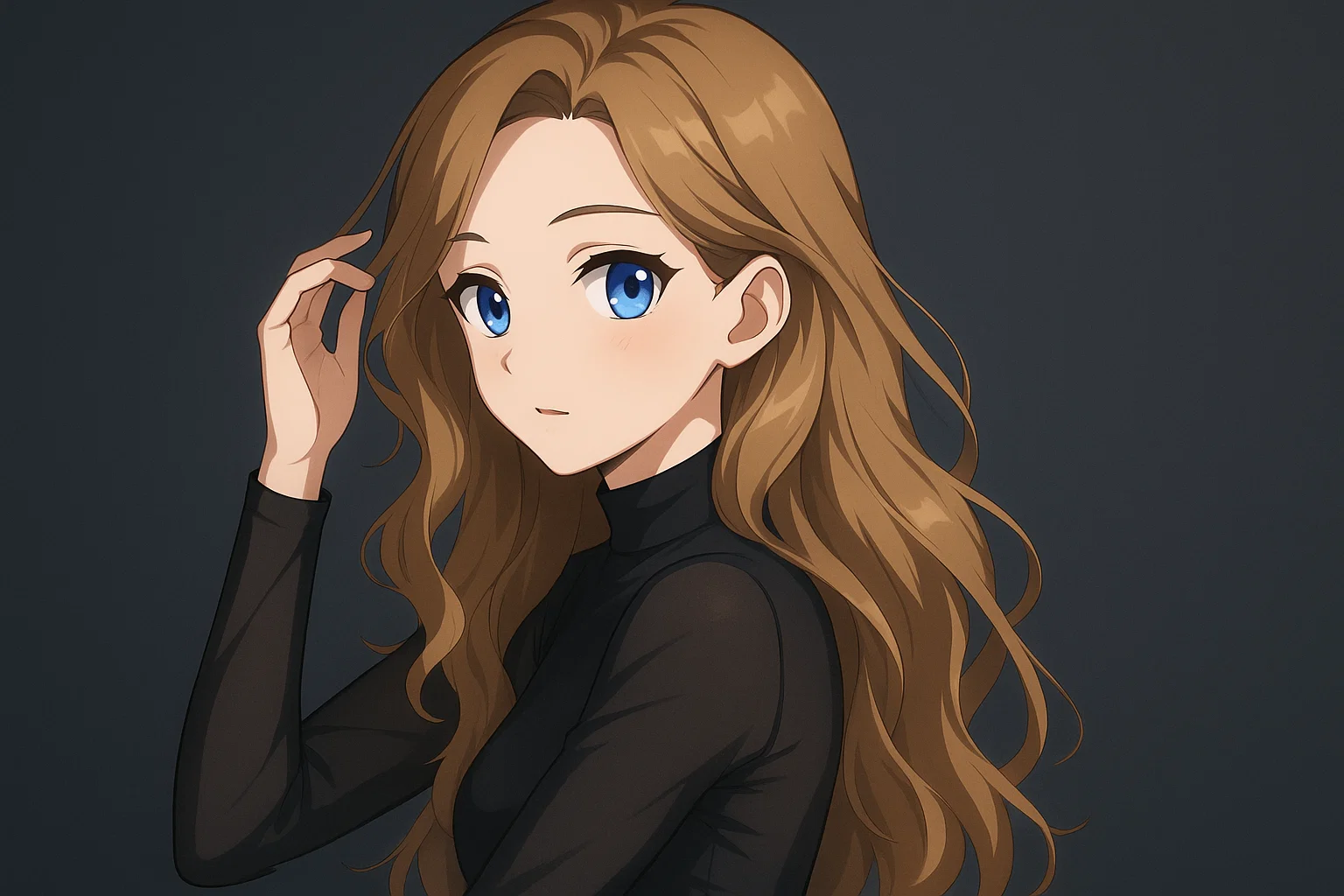
Transform a source image toward the ai photo to anime look with AI Photo to Anime. Describe the target style or character details, then check identity, pose, facial features, and background consistency.
Try Now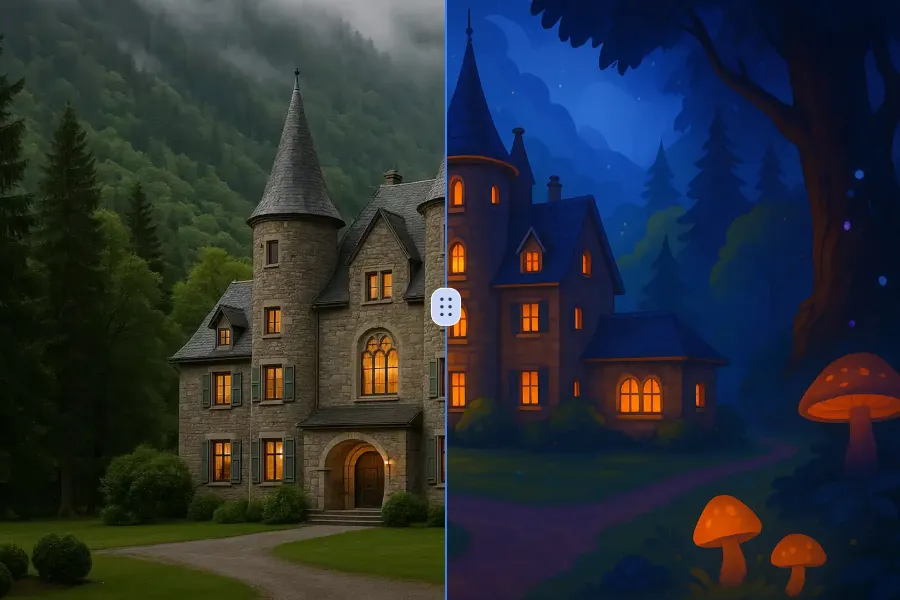
Transform a source image toward the ai photo to cartoon look with AI Photo to Cartoon. Describe the target style or character details, then check identity, pose, facial features, and background consistency.
Try Now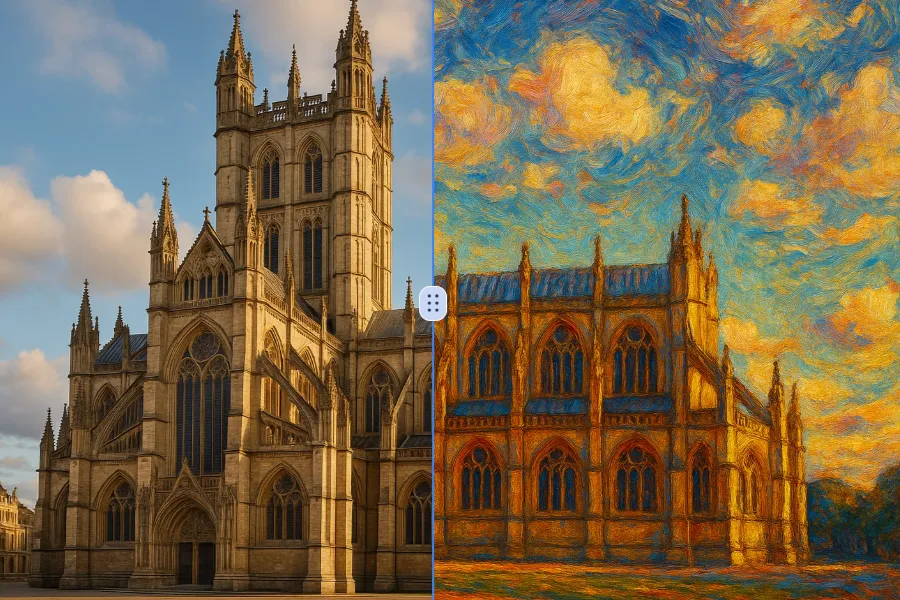
Transform a source image toward the photo to oil painting look with Photo to Oil Painting. Describe the target style or character details, then check identity, pose, facial features, and background consistency.
Try Now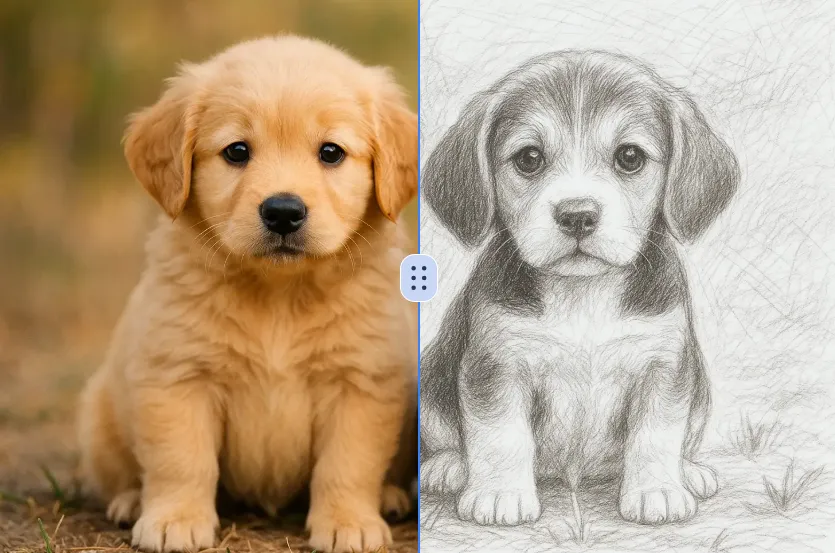
Transform a source image toward the ai photo to sketch look with AI Photo to Sketch. Describe the target style or character details, then check identity, pose, facial features, and background consistency.
Try NowUse Google to start creating and save your image. No card required.
 Continue with Google
 Remove the watermark, download HD images, and keep creating.
Credit Policy:
Secure checkout · Payment methods shown at checkout · Credits after confirmation