When to use this page
Keep the prompt specific and retain the original image until the result has been checked.
Transform a source image toward the ai medieval art look with AI Medieval Art. Describe the target style or character details, then check identity, pose, facial features, and background consistency.
 Original
  Modified
 Keep the prompt specific and retain the original image until the result has been checked.
Check faces, text, product details, edges, and any rights-sensitive content. The generated result is a draft until you approve it.
A period portrait lives or dies at the edges — where modern hair, a spectacle frame, or a t-shirt collar meets a painted doublet and a dark, invented backdrop. The panel above treats your upload as a sitting for a European Renaissance or Medieval oil painting, so the work is stylistic rather than a costume swap.
Upload a JPEG, JPG, PNG, or WEBP photograph and leave the prompt empty, and the built-in instruction still calls for rich, deep colour, dramatic lighting, soft brushstrokes, and historical detail in both the clothing and the background, finished with a timeless, regal atmosphere. The optional Prompt box takes the standard hint — describe the desired subject, style, composition, and important details — and here it pays off most when you name what should read as period: velvet, fur trim, a high collar, carved panelling behind the shoulder, light arriving from one side of the frame.
All of that assumes the photo is yours or that you have permission to edit it, which includes consent from anyone identifiable in it.
The review list this tool ships with is the right one: identity, pose, facial features, and background consistency. Look first at whether the sitter still reads as the sitter once brushwork has been laid over them, because the eye line and the shape of the jaw are where a painterly pass drifts. Then check the pose against the original, since arms and shoulders get reinterpreted along with the clothing. Free preview exports carry an ImageFk watermark and sign-in is via Google, so keep the source photograph alongside for the comparison.
about AI medieval art
No. The instruction above already specifies the oil-painting treatment, so an empty box still returns a period portrait. The prompt is how you control what the instruction cannot know: whether the sitter wears armour or a clerical robe, whether the backdrop is a window, a curtain, or plain dark ground. One or two clauses are enough to settle it.
Painterly restyling resamples the face, and small shifts in eye spacing or jaw shape affect recognition long before they look like a different person. Rerun with the prompt naming the features to hold — a longer jaw, wider-set eyes, a scar through one eyebrow — rather than repeating the same empty request. Identity is something you have to ask for.
Every extra face is another set of features to keep consistent, and this instruction is written around a single sitting rather than a crowd. Expect secondary figures to receive less care in clothing detail and facial likeness. If the rest of the frame is not essential, work from a crop of the sitter you care about.
A clear face, soft directional light, and a simple background give the pass something coherent to rebuild. Flat flash snapshots, heavy motion blur, or a face turned away from the camera leave it guessing at structure it cannot see. Lighting and clarity are what count here, not the size of the file.
Transform a source image toward the ai medieval art look with AI Medieval Art. Describe the target style or character details, then check identity, pose, facial features, and background consistency.
Compare the result with the original, inspect the details that matter to your task, and keep the original until the output is approved.
Transform your images instantly using powerful AI Effects Filters AI tools.
Try AI Medieval Art NowDiscover more AI-powered tools to enhance and transform your images.
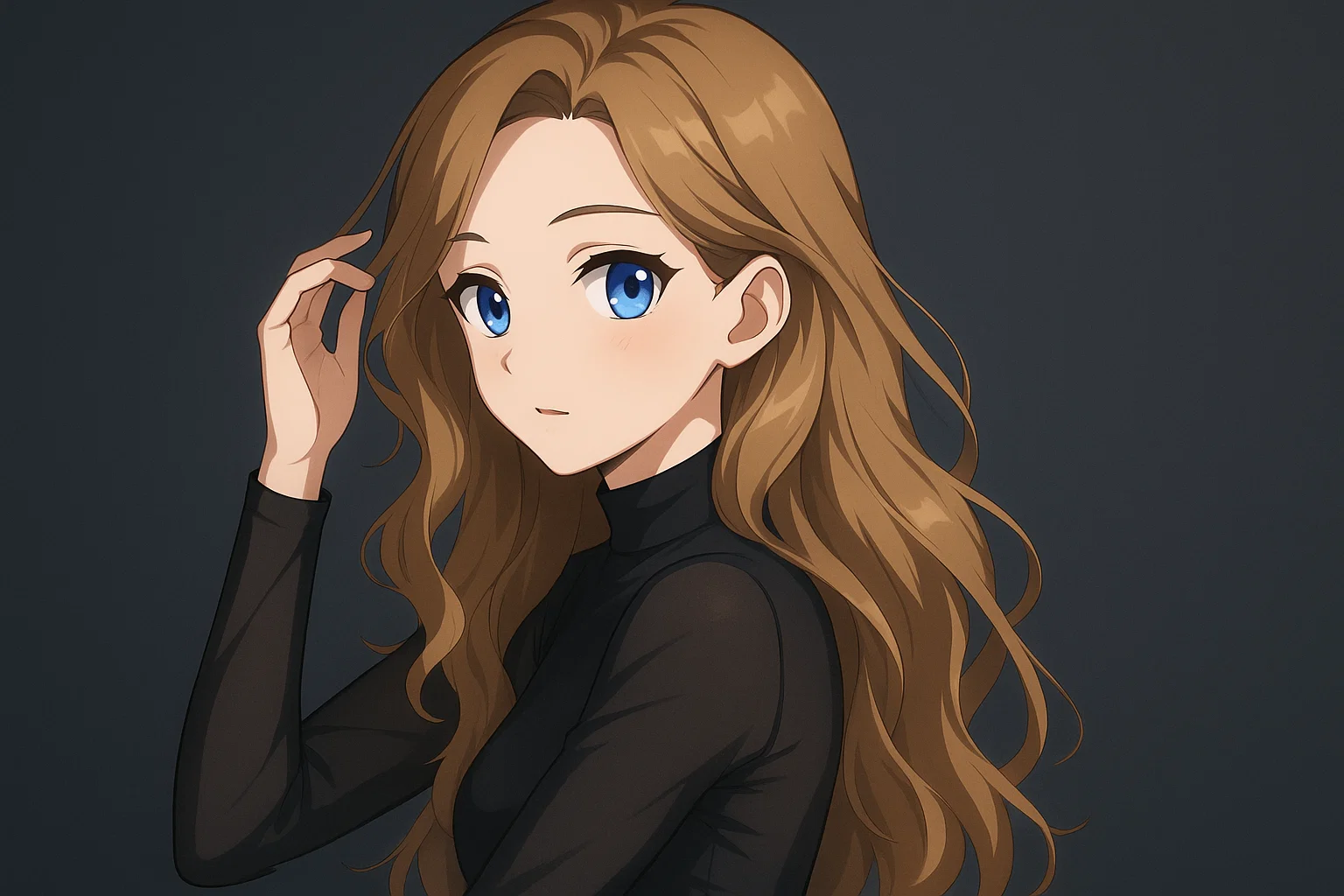
Transform a source image toward the ai photo to anime look with AI Photo to Anime. Describe the target style or character details, then check identity, pose, facial features, and background consistency.
Try Now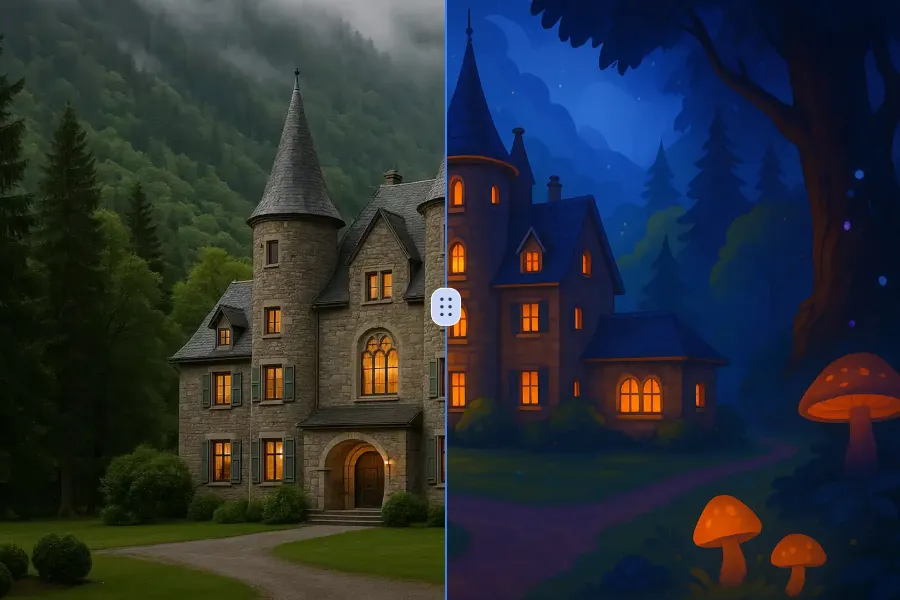
Transform a source image toward the ai photo to cartoon look with AI Photo to Cartoon. Describe the target style or character details, then check identity, pose, facial features, and background consistency.
Try Now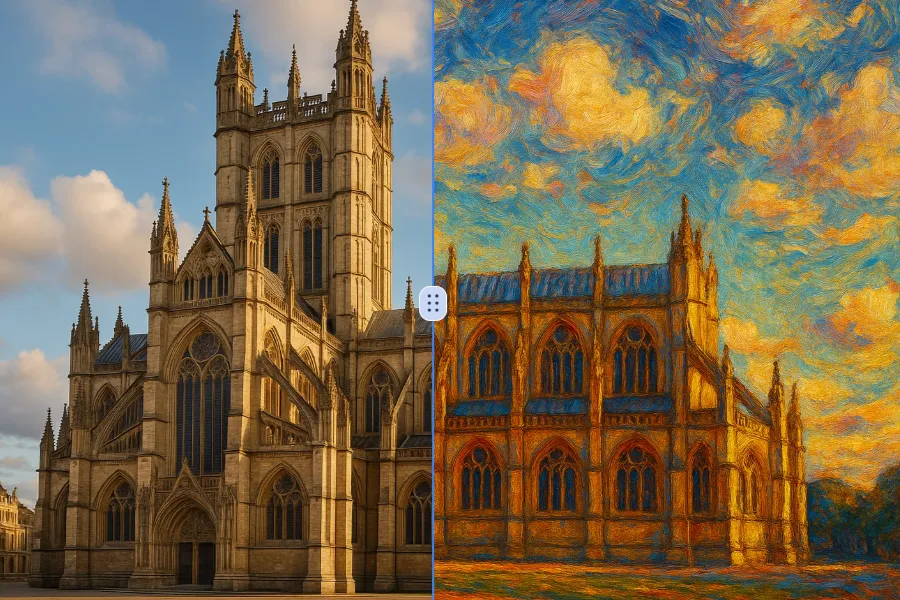
Transform a source image toward the photo to oil painting look with Photo to Oil Painting. Describe the target style or character details, then check identity, pose, facial features, and background consistency.
Try Now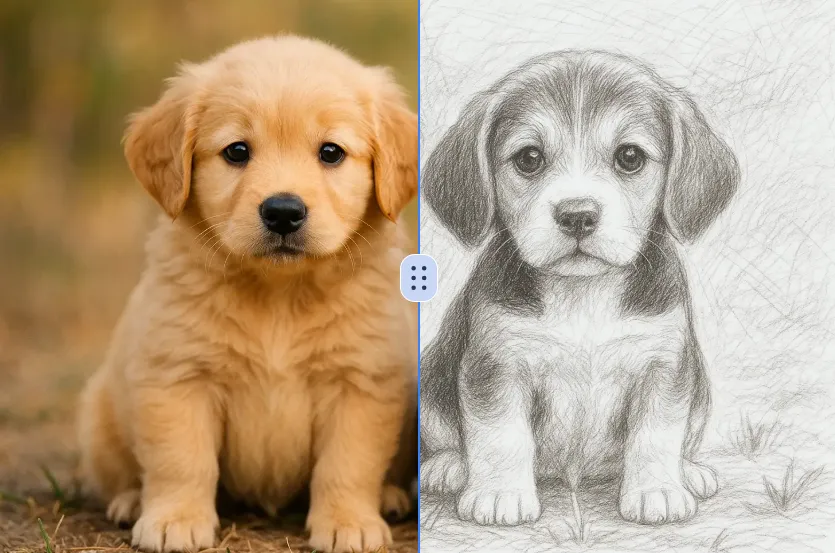
Transform a source image toward the ai photo to sketch look with AI Photo to Sketch. Describe the target style or character details, then check identity, pose, facial features, and background consistency.
Try NowUse Google to start creating and save your image. No card required.
 Continue with Google
 Remove the watermark, download HD images, and keep creating.
Credit Policy:
Secure checkout · Payment methods shown at checkout · Credits after confirmation