When to use this page
Keep the prompt specific and retain the original image until the result has been checked.
Apply a focused visual effect with AI Vintage Filter to change the mood or perspective of a photo. Check the subject outline, lighting, and edges so the effect supports the composition.
 Original
  Modified
 Keep the prompt specific and retain the original image until the result has been checked.
Check faces, text, product details, edges, and any rights-sensitive content. The generated result is a draft until you approve it.
Modern files start too clean for a vintage treatment. Colour is even, grain is absent, and contrast holds detail in the shadows and the highlights at once. The filter above works against all three: the built-in instruction asks for sepia or soft yellow warmth, subtle grain, and contrast pulled down the way a faded print sits, with a photograph from the 1970s or earlier as the reference point.
Sunlit outdoor frames, film-era clothing, wood, brick, road, sea, and portraits already shot a little soft all gain from this. Subjects that fight the treatment are easy to spot before you upload: night scenes where neon is the point, sky and water where a warm shift turns a clean blue muddy, and anything where colour carries meaning, such as packaging, a uniform, a map, or a garment you are selling. Reduced contrast and grain also eat fine detail, so small lettering and distant foliage go first.
The prompt box is optional, and its hint asks for the desired subject, style, composition, and important details, which is the vocabulary the fade responds to. Name the material you want imitated, such as a faded colour negative or a sun-bleached family snapshot. Name the strength, such as gentle warmth with some blue kept in the sky. Name what must stay readable, such as the lettering on a shop sign. Left empty, the defaults still deliver sepia, soft yellow, subtle grain, and lowered contrast.
Because the whole image is redrawn rather than tinted, the subject outline is where the effect gives itself away. Check hair against the background, the join at a hat brim or shoulder, and straight lines such as door frames and fence rails for bending. Then check lighting: a credible fade lowers contrast evenly instead of crushing shadow or blowing highlights into the warmth. When the effect supports the composition, the outline still reads as one solid subject at full zoom.
about vintage photo filters
The instruction redraws the image with warmer tones, grain, and softer contrast, which behaves more like an aged reprint than a slider moved over the file. The difference matters because detail can change along with the tone, so review faces, texture, and edges as well as the overall colour.
Yes, say so in the prompt. A short line such as keep cool blue in the sky and sepia only on skin and ground gives the pass something specific to preserve instead of letting one warm hue cover the frame.
Grain and reduced contrast work against each other, which is why the guidance for this page is to check the subject outline, lighting, and edges before export. Ask for subtle grain and judge the result at full size rather than in the thumbnail.
The built-in request asks for warmth, so a monochrome source picks up a tint along with the fade and the grain. If you want a period feel without colour, describe that in the prompt box rather than leaving it to the defaults.
Apply a focused visual effect with AI Vintage Filter to change the mood or perspective of a photo. Check the subject outline, lighting, and edges so the effect supports the composition.
Compare the result with the original, inspect the details that matter to your task, and keep the original until the output is approved.
Transform your images instantly using powerful AI Effects Filters AI tools.
Try AI Vintage Filter NowDiscover more AI-powered tools to enhance and transform your images.
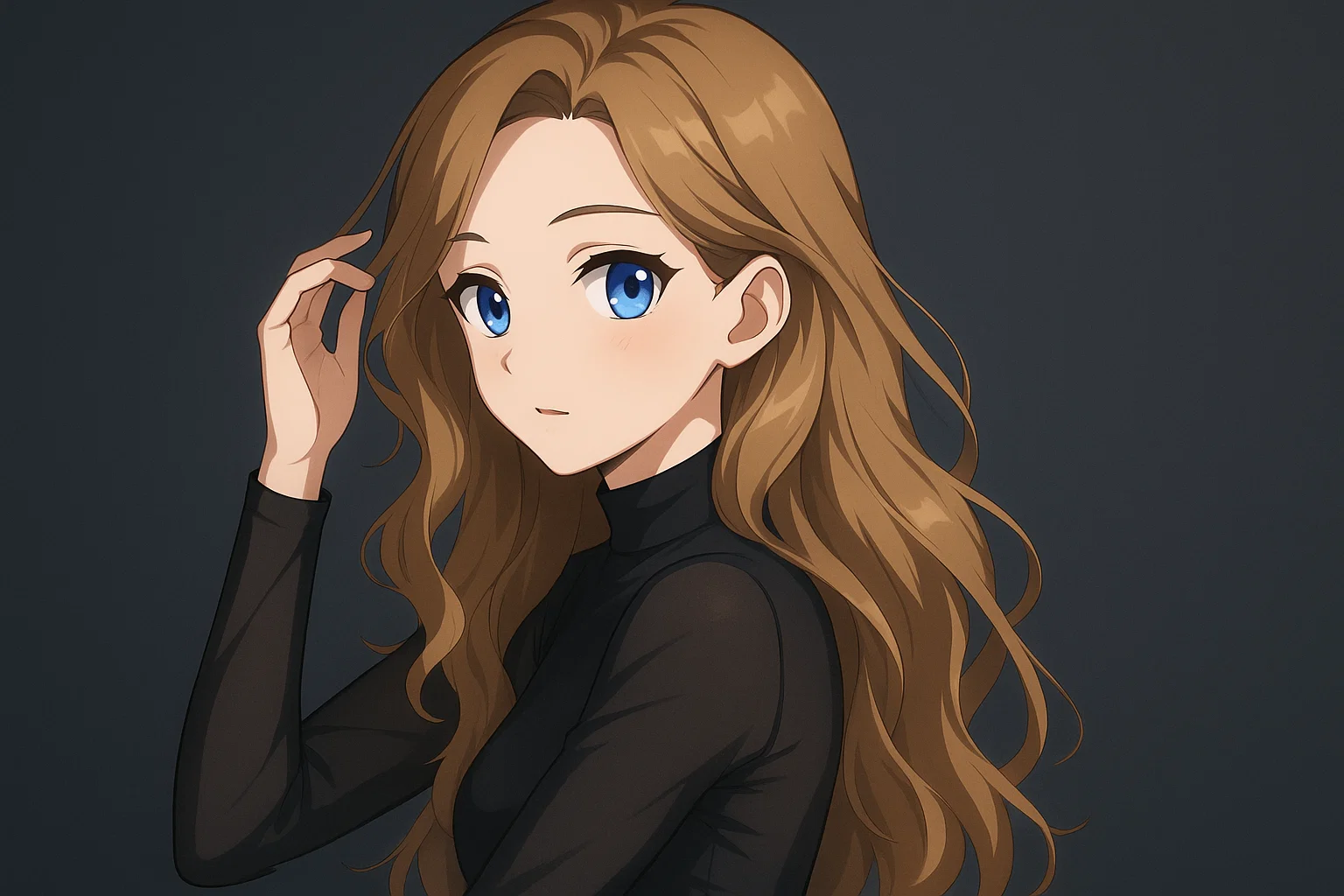
Transform a source image toward the ai photo to anime look with AI Photo to Anime. Describe the target style or character details, then check identity, pose, facial features, and background consistency.
Try Now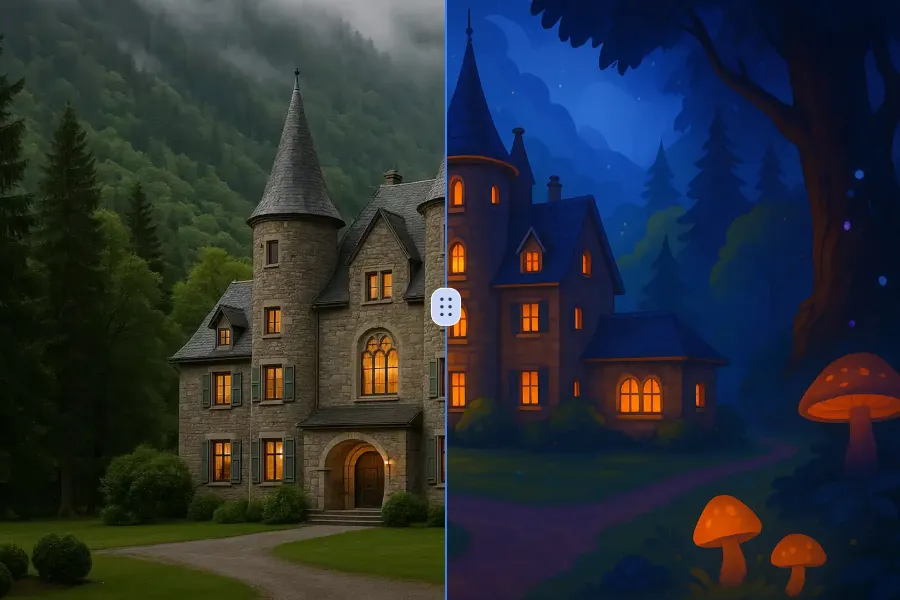
Transform a source image toward the ai photo to cartoon look with AI Photo to Cartoon. Describe the target style or character details, then check identity, pose, facial features, and background consistency.
Try Now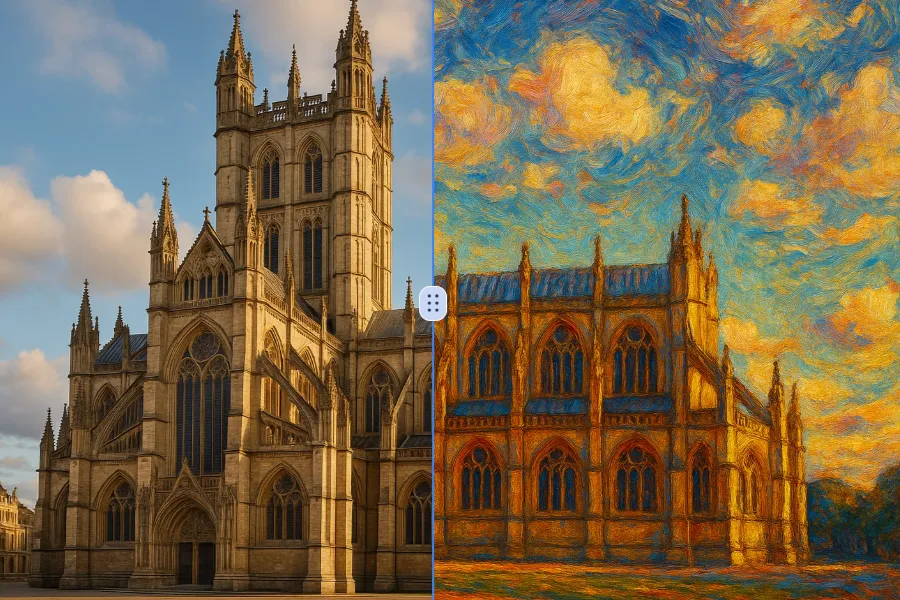
Transform a source image toward the photo to oil painting look with Photo to Oil Painting. Describe the target style or character details, then check identity, pose, facial features, and background consistency.
Try Now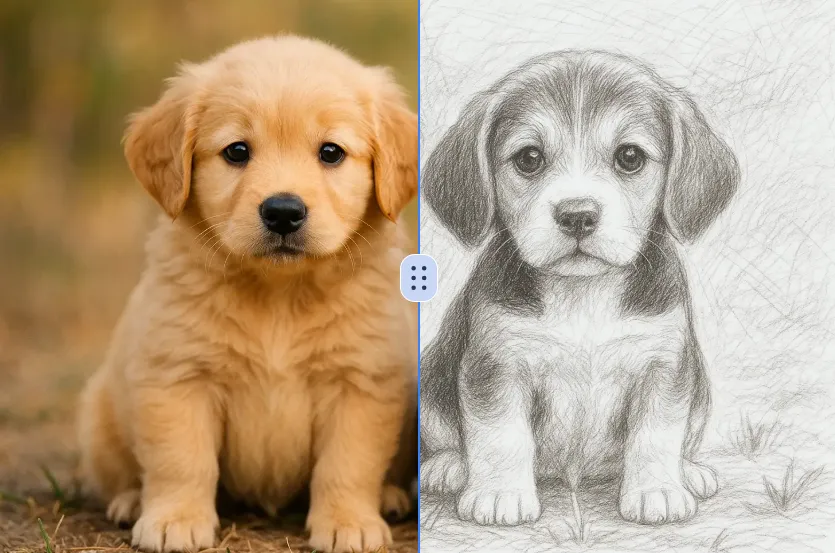
Transform a source image toward the ai photo to sketch look with AI Photo to Sketch. Describe the target style or character details, then check identity, pose, facial features, and background consistency.
Try NowUse Google to start creating and save your image. No card required.
 Continue with Google
 Remove the watermark, download HD images, and keep creating.
Credit Policy:
Secure checkout · Payment methods shown at checkout · Credits after confirmation